
After a typical Arkansas winter, many homeowners are unaware of the toll freezing temperatures, ice, and moisture have taken on their roofing systems. Even though Little Rock doesn’t see the blizzards of the north, February and March can bring enough frost, snow, and sleet to reveal or worsen hidden vulnerabilities. If you are thinking about skipping a spring roofing inspection, it’s important to understand how winter damages can silently escalate into major repairs or even replacement if left unattended.
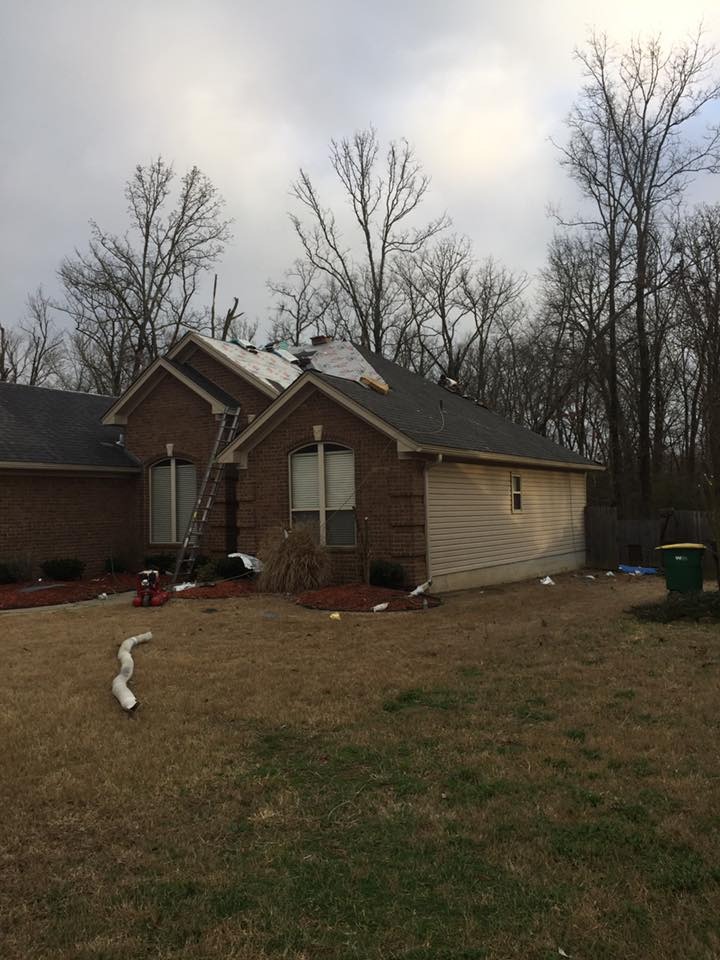
Ice Dams: A Serious Threat Even in Mild Winters
Even if your home only experiences a handful of cold snaps, ice dams can form along the eaves or edges of your roof. Ice dams occur when warm air inside your attic melts snow or ice on the roof, causing water to run down until it refreezes at the colder gutter line. This ice barrier prevents proper drainage, trapping meltwater above the dam. The trapped water can seep beneath shingles, leading to:
-
Leaky ceilings and stained interior walls.
-
Wet, compressed attic insulation, which reduces energy efficiency.
-
Warped or rotted wood decking, fascia, or soffits.
If you notice icicles forming or water stains on interior walls, it’s time to speak with a roof repair specialist.
Moisture Intrusion: The Silent Saboteur
After ice melts, water finds every crack and weak spot on your roof. Winter precipitation, whether it’s rain, sleet, or melting snow, may cause shingles to expand and contract, making existing leaks worse. Over time, this can cause major issues:
-
Soft or spongy spots on your roof where water has penetrated your decking.
-
Visible mold or mildew in attic spaces.
-
Slight bulges or drips in ceilings, especially near vents, skylights, or chimneys.
Moisture problems are rarely obvious at first. They can linger for weeks or months before symptoms appear, so timely attention from a roof inspection service is crucial.
Weakened Flashing: Overlooked but Vital
Flashing is the unsung hero of your roof. It protects joints and seams around chimneys, skylights, dormers, and valley areas from water intrusion. Freeze-thaw cycles common in central Arkansas winters can cause metal flashing to warp or separate from the roofing material, which opens the door for leaks. Typical warning signs include:
-
Rust streaks or separated flashing visible from the ground.
-
Damp spots on walls around your chimney or in your attic.
-
Loose shingles or granules accumulating in gutters around these areas.
If you notice these signs, seek a roof leak repair as soon as possible to stop minor damage from becoming costly.
Why Timely Repairs Make a Financial Difference
It can be tempting to put off repairs until more visible problems appear, but this approach often leads to higher repair costs or even full roof replacement. Small winter-related leaks can rot wood, breed mold, and degrade structural elements over time. In Little Rock, where spring brings heavy rains, an unresolved winter issue can turn into an emergency after a single storm. Acting quickly means less invasive fixes, lower costs, and longer-lasting protection for your investment.
Schedule Your Post-Winter Roof Inspection in Little Rock, AR
Living in Little Rock means facing unpredictable winter weather that can impact your roof, even if severe storms are rare. Don’t wait until minor issues become real emergencies; reach out to Atop of the Ladder, LLC for a thorough spring roof assessment and prompt repairs. Call (501) 725-6675 or fill out our online form to get timely, local service from a trusted Little Rock roofing provider.