
During the hot and humid Arkansas summer, the roof of your home faces more challenges than at any other time of year. Many homeowners focus on sturdy shingles or quick repairs, but roof ventilation is an essential service that is frequently overlooked. Understanding how proper ventilation systems work and why maintaining airflow in your attic is crucial can help prevent costly damage, support your home’s comfort, and even reduce energy bills.
How Roof Ventilation Systems Work
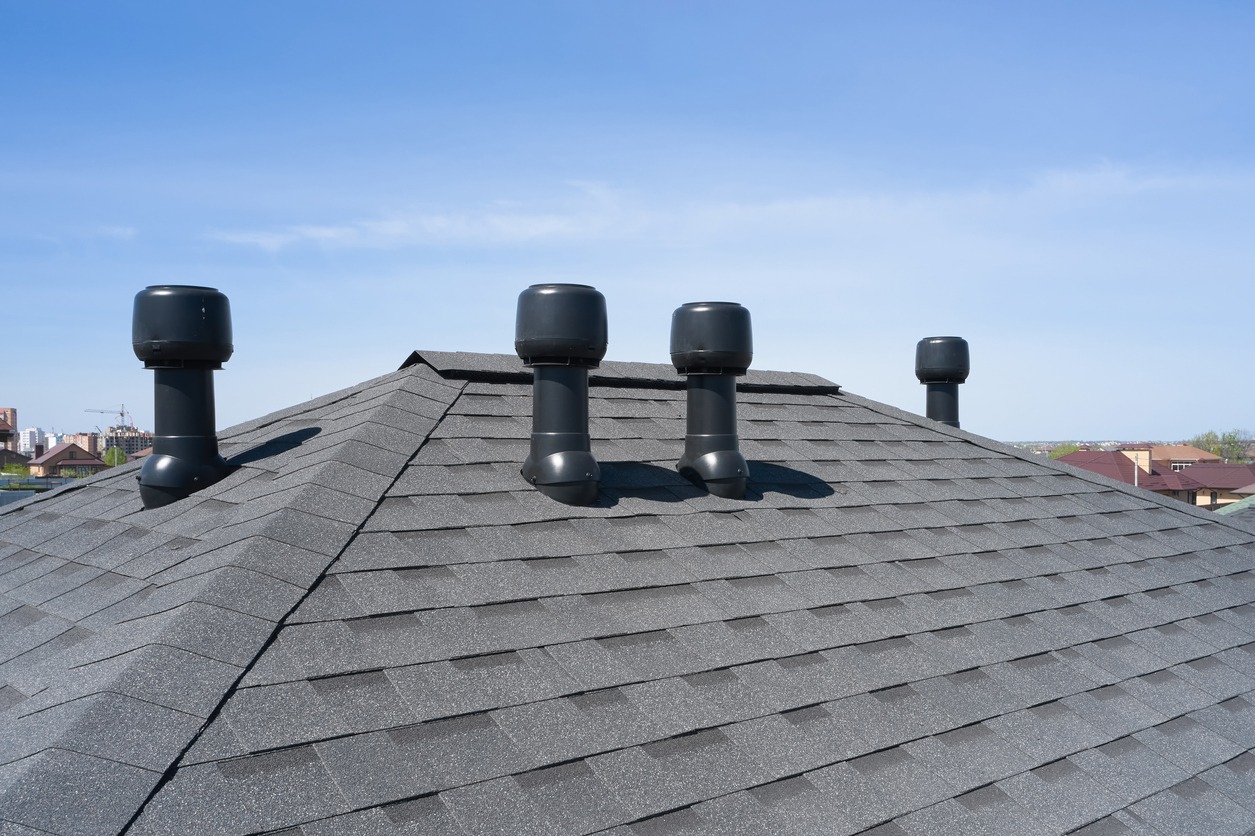
Roof ventilation regulates the temperature and moisture level in your attic space by allowing fresh air to flow in while pushing hot, moist air out. This is typically achieved through a combination of intake vents positioned along the soffits or eaves and exhaust vents located near the ridge or peak of the roof. When these two vent types work together, a continuous air pathway is established, which is key for effective ventilation.
Common roof ventilation methods include:
-
Ridge vents paired with soffit vents
-
Gable vents
-
Powered attic fans
Properly designed ventilation systems utilize Little Rock’s natural airflow patterns to exchange indoor and outdoor air passively. This process helps maintain a balanced attic environment, especially during the hottest months.
Risks of Poor Roof Ventilation in Summer
Failing to maintain adequate ventilation in your roofing structure exposes your home to a range of problems, especially with Arkansas’s intense summer heat and humidity. Heat trapped in unventilated attics often exceeds 150 degrees, which accelerates the aging of roofing materials and increases the risk of premature shingle failure.
Insufficient ventilation can also cause:
-
Condensation buildup leading to mold and mildew growth
-
Higher indoor humidity, which can damage insulation and structural components
-
Increased cooling costs as your HVAC system works overtime to combat excess heat
Homeowners in Little Rock have reported attic mold problems that resulted from blocked soffit vents and improperly sized ridge vents. These issues led to wood rot and required expensive remediation and roof replacement, issues that could have been avoided with routine inspections and an optimized airflow system.
Benefits of Proper Attic Ventilation
Ensuring your attic has effective ventilation offers several seasonally relevant benefits:
-
Extends the lifespan of your roofing system by lowering surface temperatures and reducing moisture stress
-
Helps prevent mold growth by regulating moisture
-
Keeps indoor living spaces cooler, improving comfort for your family
-
Reduces air conditioning usage, leading to lower utility bills
Local clients who have invested in proper roof repair and roof replacement services with upgraded ventilation have seen increased energy efficiency and noticeably more comfortable indoor conditions all summer long.
How to Know if Your Home Needs Ventilation Upgrades
Warning signs that your Little Rock home may need better attic ventilation include noticeable hot spots in upstairs rooms, persistent musty odors, or visible mold on attic rafters and insulation. Temperatures soaring in the upper floors can often be traced back to blocked or inadequate vents. Seasonal roof inspections from residential roofing professionals can identify these ventilation failures and recommend solutions tailored to your property’s age and style.
Ready for Better Roof Ventilation? Contact Atop of the Ladder, LLC Today
If you are concerned about high energy bills, musty odors, or suspect your attic ventilation may be compromised this summer, let Atop of the Ladder, LLC in Little Rock, AR help you optimize your roof’s airflow. Our team specializes in identifying and addressing ventilation issues for maximum comfort and roof longevity. Call us at (501) 725-6675 or fill out our online form to schedule a thorough attic evaluation or request more information about improving your home’s roof ventilation.